Cruciate
Surgery
A cruciate injury is stressful for you and your dog. At Eltham Vet, our experienced surgical team guides you through every step, from diagnosis to recovery, so your dog can get back to doing what they love.
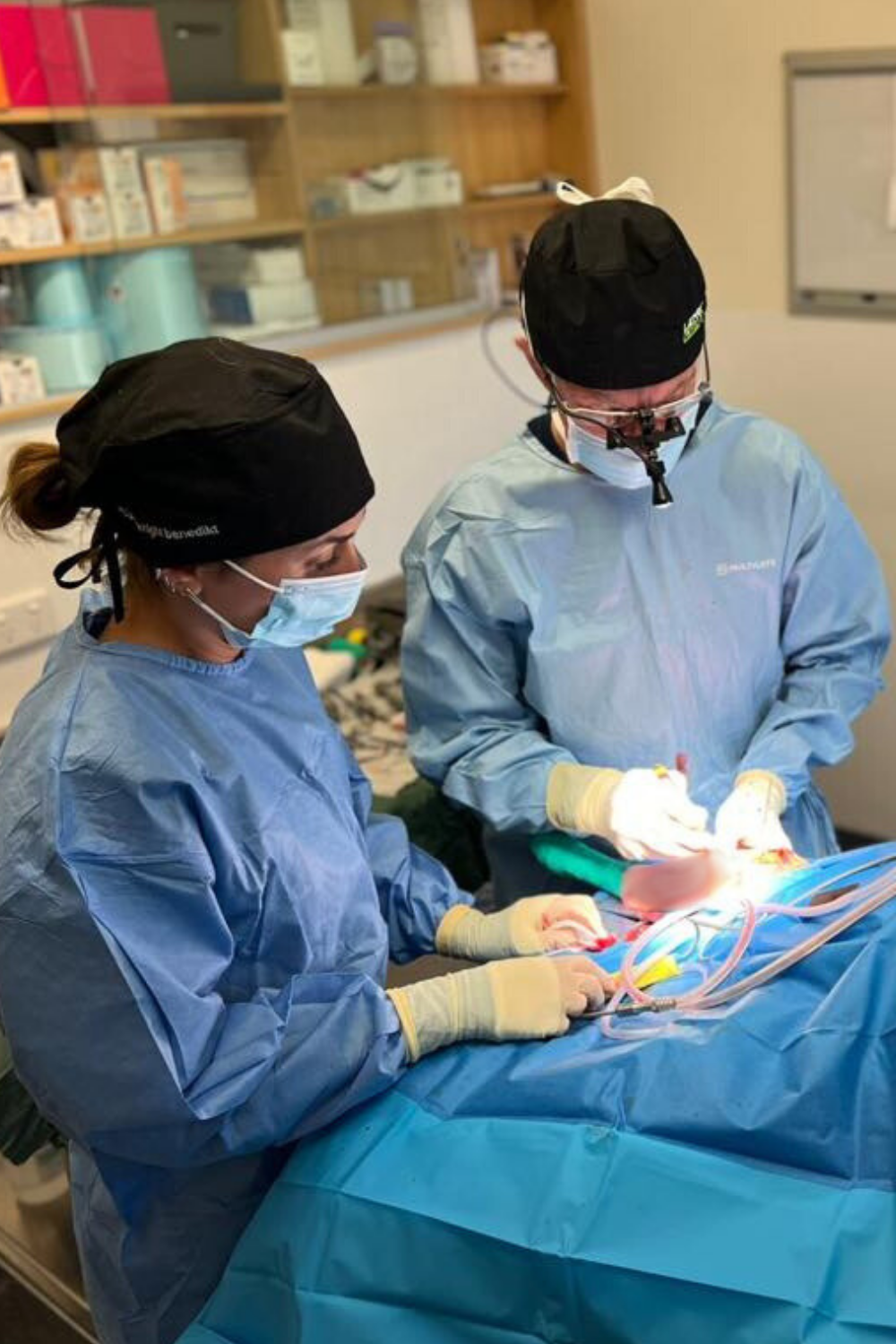

Cruciate Surgery for Your Dog: Comprehensive Care at Eltham Veterinary Practice
Discovering that your beloved canine companion needs cruciate surgery can be a distressing time for any pet owner. At Eltham Veterinary Practice, we understand these concerns and are here to provide expert, compassionate care for your dog throughout the entire process. With over 50 years of experience serving Melbourne's north-east, we treat every pet as part of our family, combining advanced surgical techniques with a nurturing approach to ensure the best possible outcome for your dog.
Understanding Cruciate Ligament Injuries in Dogs
The cranial cruciate ligament (CCL), often referred to asthe anterior cruciate ligament (ACL) in humans, is a vital component of yourdog's knee joint. It connects the femur (thigh bone) to the tibia (shin bone)and plays a crucial role in stabilising the knee, preventing the tibia fromsliding forward relative to the femur. When this ligament tears, it can causesevere pain, lameness, and instability in the knee, significantly impacting your dog's mobility and quality of life.
Cruciate ligament injuries can occur suddenly due to traumaor gradually over time due to degeneration. Certain breeds are predisposed to these injuries, and factors like obesity and genetic predisposition canincrease the risk. Common signs that your dog may have a cruciate ligament injury include:
- Sudden lameness or limping, especially after exercise
- Reluctance to bear weight on the affected leg
- Difficulty getting up or lying down
- Pain or swelling around the knee joint
- A "sitting" posture where the affected leg is held out to the side
If you notice any of these symptoms, it's crucial to seek veterinary attention promptly. Early diagnosis and treatment can significantlyimprove your dog's prognosis and reduce discomfort.
Our Approach to Diagnosing Cruciate Injuries
At Eltham Veterinary Practice, our experienced veterinarians will conduct a thorough physical examination of your dog. This includespalpating the knee joint to assess for instability, swelling, and pain. Weoften perform specific tests, such as the "cranial drawer test" and "tibial compression test," to diagnose a torn cruciate ligament. To gain a comprehensive understanding of the injury and ruleout other conditions, we utilise our modern in-house diagnostic equipment. This includes:
- Pet X-Rays: We use X-rays to visualise the bones of the knee joint, identify signs of arthritis, and assess bone changes. While X-rays don't directly show the cruciate ligament, they are vital for confirming diagnosis and planning surgery.
- Pet Ultrasound: In some cases, an ultrasound may be used to examine soft tissues around the joint.
Our commitment to accurate diagnosis ensures that werecommend the most appropriate and effective treatment plan for your dog'sspecific needs.
Cruciate Surgery for Dogs: Our Expertise and Options
When a cruciate ligament is fully torn or significantly damaged, surgical intervention is often the most effective way to restorestability to the knee joint and alleviate pain. At Eltham Veterinary Practice,we are proud to offer state-of-the-art orthopaedic surgical solutions,including advanced techniques for cruciate repair.Our lead veterinarian, Dr. Steve Pryor, brings over 30 years of experience in orthopaedic surgery. He is also a member of the ANZ College ofVeterinary Scientists (Surgery Chapter), demonstrating his advanced expertiseand commitment to the highest standards of surgical care. You can trust that your dog is in highly skilled hands with our team. We offer various surgical techniques for cruciate ligamentrepair, tailored to your dog's size, age, activity level, and the specificnature of their injury. Two of the most common and effective procedures we perform are:
Tibial Plateau Levelling Osteotomy (TPLO)
TPLO surgery is a highly effective and commonly recommended procedure for stabilising the knee joint after a cruciate ligament rupture, particularly for larger and more active dogs. Unlike traditional methods thataim to replace the ligament, TPLO addresses the mechanics of the joint.The procedure involves carefully reshaping the top of the tibia (shin bone) to change the angle of the knee joint. This eliminates the shearing forces that cause instability when the cruciate ligament is ruptured. By levelling the tibial plateau, the weight-bearing forces are redirected,preventing the tibia from sliding forward and creating a stable joint withoutneeding an intact cruciate ligament. For more detailed information on thisspecialised surgery, please visit our TPLO Surgery page.
Lateral Fabellar Suture (Extracapsular Repair)
The lateral fabellar suture technique is another effectiveoption for cruciate ligament repair, often recommended for smaller dogs orthose with less severe instability. This procedure involves placing a strong suture material outside the joint capsule to mimic the function of the rupturedcruciate ligament. The suture is anchored around the fabella (a small bonebehind the knee) and through a drilled tunnel in the tibia, creating a"false ligament" that stabilises the knee. Over time, scar tissue forms around this suture, providing long-term joint stability. Our skilled surgeons carefully select the most appropriate method for each individual patient.
What to Expect: The Surgical Process for Cruciate Surgery Dog
When your dog undergoes cruciate surgery at ElthamVeterinary Practice, you can expect a comprehensive and caring process:
1. Pre-Surgical Assessment: Before surgery, your dog will undergo a thorough physical examination and pre-anaesthetic blood tests to ensure they are healthy enough for the procedure. Our team will discuss the surgical plan, potential risks, and expected outcomes with you in detail.
2. Anaesthesia and Monitoring: Your dog will receive advanced anaesthesia, and their vital signs will be meticulously monitored by our experienced veterinary nurses throughout the surgery. We use modern medical equipment, including our advanced anaesthetics, to ensure their safety and comfort.
3. The Surgery: Dr. Steve Pryor or another highly qualified surgeon will perform the cruciate surgery with precision and care, utilising the chosen technique (e.g., TPLO or lateral fabellar suture).
4. Post-Operative Care: After surgery, your dog will recover in our comfortable and supervised recovery area. Pain management is a top priority, and we will administer appropriate medications to ensure your dog is as comfortable as possible.
Recovery and Rehabilitation After Cruciate Surgery
The journey to full recovery after cruciate surgery is acritical part of the treatment plan. At Eltham Veterinary Practice, we provide detailed post-operative instructions and support to help your dog regainstrength and mobility. Our team will guide you through each stage of recovery,which typically involves:
- Strict Rest: For the initial weeks, strict leash confinement and limited activity are essential to allow the surgical site to heal properly.
- Medication: We will prescribe pain relief, anti-inflammatory medications, and sometimes antibiotics to manage discomfort and prevent infection.
- Wound Care: You will receive instructions on how to care for the surgical incision and monitor for any signs of infection.
- Physical Rehabilitation: Animal Physiotherapy plays a crucial role in moptimising recovery. We highly recommend a structured rehabilitation program tailored to your dog's needs. This may include gentle massage, passive range of motion exercises, and controlled leash walks. While we don't offer in-house physiotherapy, we can guide you to reputable resources.
- Gradual Return to Activity: Over several months, activity levels will be gradually increased under our guidance, ensuring a safe and effective return to full function.Regular follow-up appointments at our clinic are essentialto monitor your dog's progress and make any necessary adjustments to theirrecovery plan. Our team is always here to answer your questions and providesupport during this crucial period.
Why Choose Eltham Veterinary Practice for Cruciate Surgery Dog?
Choosing the right veterinary practice for your dog'scruciate surgery is a significant decision. Here's why Eltham VeterinaryPractice stands out:
- Experienced and Skilled Surgeons: With Dr. Steve Pryor's 30+ years of orthopaedic surgery experience and his membership in the ANZ College of Veterinary Scientists (Surgery Chapter), you can be confident in our surgical expertise.
- Comprehensive Care: From diagnosis to surgery and post-operative support, we offer a complete care package for your dog's cruciate injury.
- State-of-the-Art Facilities: Our clinic is equipped with modern medical tools, including in-house pathology, X-ray, and advanced anaesthetics, to ensure the highest standard of care.
- Compassionate Approach: We pride ourselves on treating clients and their pets as part of our family. Our team is dedicated to providing nurturing care and clear communication every step of the way.
Convenient Location and Hours: Located at 644 MAIN ROAD, ELTHAM, we are easily accessible for residents in Melbourne's north-east. We also offer late operating hours on weekdays for your convenience.We believe in a holistic approach to pet care, focusing onimproving the quality of life for both pets and their parents. Our team, led byDr. Steve Pryor and Dr. Gus Braniff, works collaboratively to ensure your dogreceives the best possible care for their cruciate surgery.
Preventing Cruciate Ligament Injuries
While not all cruciate injuries can be prevented, there are steps you can take to reduce your dog's risk:
- Maintain a Healthy Weight: Obesity puts extra strain on joints. We can help you with diet and nutrition advice, offering products like Hills Vet Essentials, Royal Canin, and Hill's Prescription Diets.
- Regular, Controlled Exercise: Avoid sudden, high-impact activities, especially in dogs prone to joint issues.
Good Nutrition: A balanced diet supports overall joint health.
- Early Detection: Regular check-ups can help identify early signs of joint problems. Consider annual consultations for your pet’s overall well-being.If you have any concerns about your dog's joint health, please don't hesitate to contact us or book an online appointment.

