August 19, 2026
Back to articles
Dogs
What to Expect After BOAS Surgery: A Recovery Guide
BOAS surgery gives brachycephalic dogs the chance to breathe freely - but the recovery period is when much of the real work happens. Understanding what to expect helps you support your dog through it and know when something needs attention.
This guide is based on the recovery protocols we use at Eltham Veterinary Practice following BOAS surgery. Every dog recovers at their own pace, and your vet will give you specific instructions tailored to your dog's procedure and health status.
The first 24 hours
Your dog will come home the same day as surgery in most cases. They will be drowsy from the anaesthetic and may seem quieter than usual. This is normal and expected.
One thing that surprises many owners: breathing may actually sound slightly worse in the first 24 to 48 hours than before surgery. This happens because soft palate surgery causes temporary swelling in the throat, and post-operative swelling peaks in the first one to two days. As long as your dog is resting comfortably and not in severe distress, this is a normal part of healing.
Signs that require immediate veterinary attention in the first 24 hours: blue or pale gums, severe distress or panic, complete inability to settle, or persistent vomiting.
Days 2 to 7: swelling peaks then resolves
Swelling typically peaks around day two to three and then gradually resolves. Most owners notice a clear improvement in breathing quality by day five to seven. By the end of the first week, many dogs are already breathing noticeably more quietly than before surgery.
During this period:
- Feed only soft food - no dry kibble or hard treats until cleared by your vet. Hard food can irritate the surgical site.
- Restrict activity completely. Short lead walks for toileting only, no running, no stairs if possible.
- Keep your dog cool. Swelling plus heat is a dangerous combination for any brachycephalic dog.
- Give all medications as directed, including anti-inflammatories and pain relief.
Weeks 2 to 4: gradual improvement
By week two most dogs are showing clear improvement. Breathing is quieter, energy is returning, and many dogs seem more settled and comfortable than before surgery.
Continue restricted activity through this period. The surgical sites in the nostrils and throat are still healing, and too much activity too soon can cause complications. Return for a post-operative check at around 10 to 14 days. This allows us to assess healing and decide whether to return to normal food texture.
One to three months: the full benefit becomes clear
The full benefit of BOAS surgery is typically apparent by six to twelve weeks. Swelling has completely resolved and scar tissue has stabilised. Most owners describe a dramatic difference in their dog's breathing, sleep quality, and energy. Dogs that were previously reluctant to play are often transformed.
Gradually increase activity levels as directed by your vet. Swimming is an excellent low-impact exercise option during this phase if your dog enjoys water.
Long-term care after BOAS surgery
Surgery significantly improves airway function but does not give your dog the same respiratory capacity as a non-brachycephalic breed. Ongoing management remains important for life:
- Weight management is critical. A lean dog breathes better and puts less strain on the surgical changes.
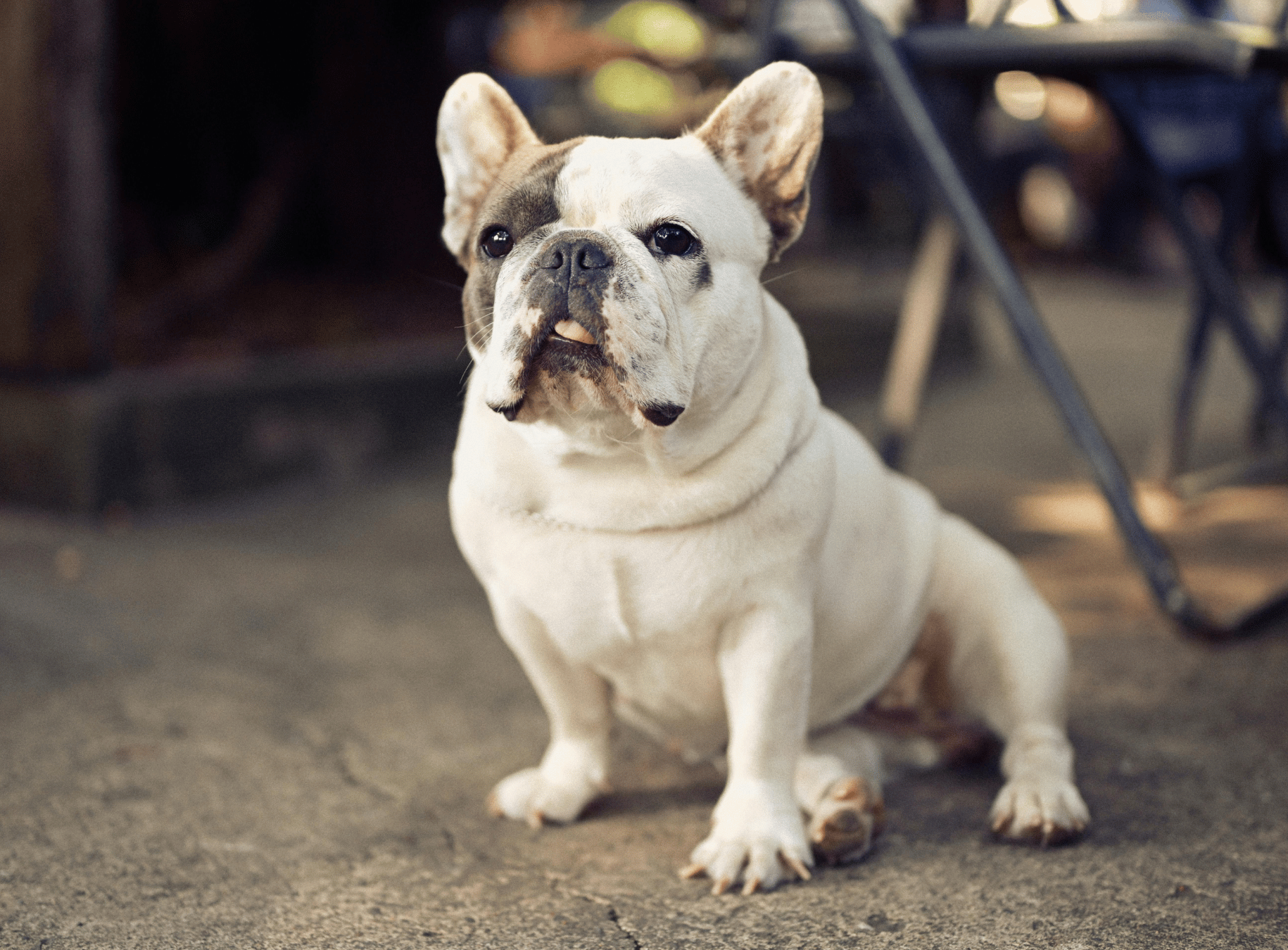
- Heat precautions remain important permanently. Even post-surgery bulldogs and French bulldogs cannot cool themselves as efficiently as other breeds. See our bulldog respiratory health guide for Melbourne-specific heat management advice.
- Annual vet checks allow early identification of any progressive changes.
When to call us during recovery
Contact Eltham Veterinary Practice on (03) 9439 8650 promptly if you notice:
- Breathing that worsens significantly after the initial first few days
- Blue, pale, or white gums at any point
- Persistent vomiting or inability to keep food down
- Swelling of the face or muzzle
- Distress that does not settle with rest
- Yellow or green discharge from the nostril surgical sites
For more information on BOAS surgery or to book an assessment, call us on (03) 9439 8650 or book online. Our team has extensive experience with brachycephalic breeds across Eltham, Greensborough, Diamond Creek, and Melbourne's north-east.